
Philosophy For Mars
What philosophy should we export from Earth to Mars?

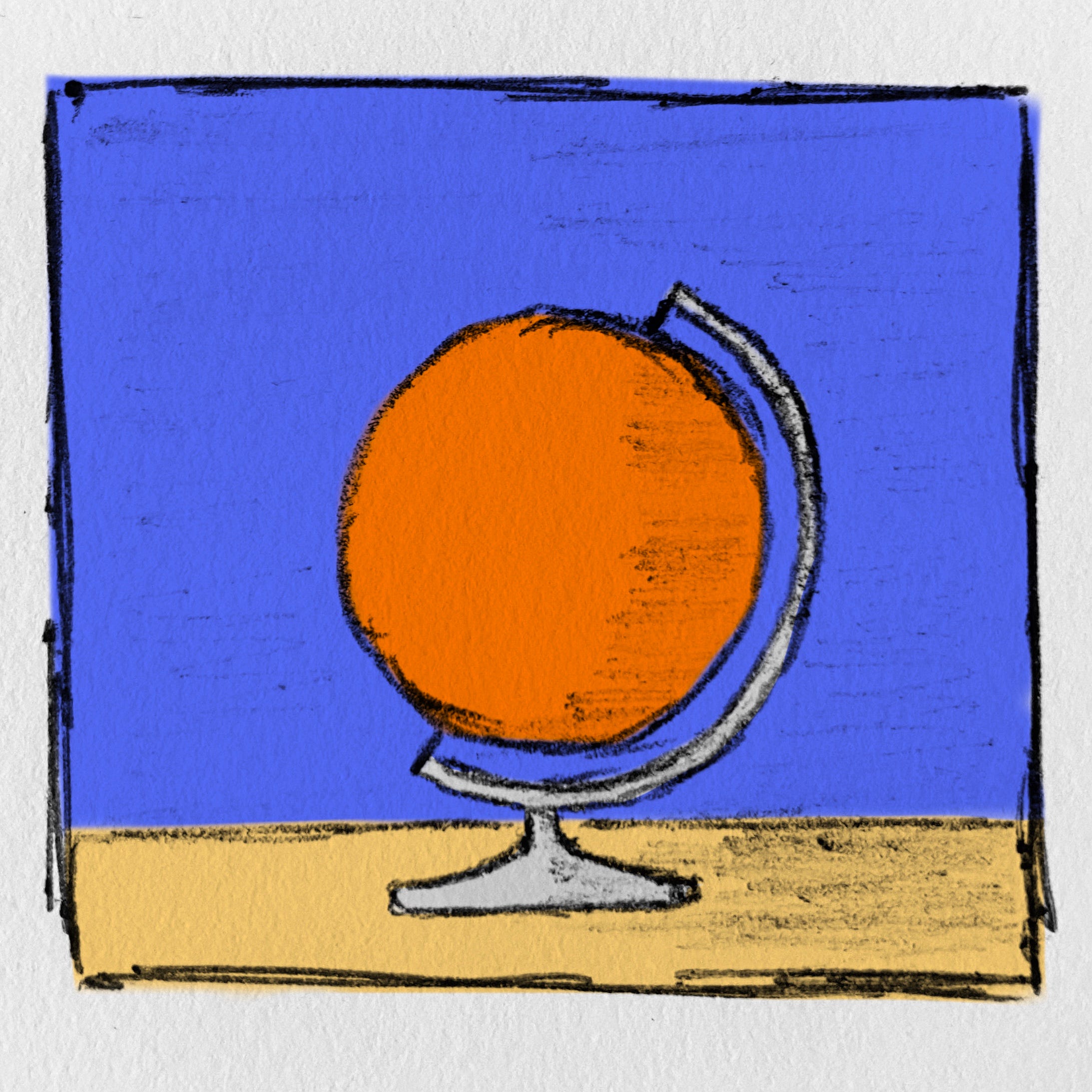
Introduction: The Old World, The New World, & The Orange Orb
“But if we ask what has been the impact of semiotics upon philosophy over the course of the 20th century, early in the 21st century to answer anything beyond ‘marginal’ would be an exaggeration. This situation, as I read it, is about to change dramatically.”
—John Deely in The Impact on Philosophy of Semiotics
What philosophy should we export from Earth to Mars?
In a word: semiotics.
Semiotics is the philosophy of signs pioneered and formalized by American philosopher Charles Sanders Peirce in the late 1800s and early 1900s.
Alexis de Tocqueville famously wrote in Democracy in America that Americans are all Cartesians without ever having read a word of Descartes. My hope is that Martians, in contrast, will all be Peircians—or intellectual descendants of Charles Sanders Peirce. His doctrine of signs is the most promising path forward I am aware of in philosophy today, as it offers a way to reconcile the best of pre-modern and modern thought.
One can briefly demonstrate why in this way:
Pre-modern philosophy, broadly speaking, was realist; meaning the people of this time agreed that, in principle, there are parts of reality that exist independently of us and we can, with varying degrees of success, know these parts of reality. These include not only physical reality but also things such as moral reality too. Pre-modern philosophy focused on what we might call mind-independent reality (or ens reale, to use the Latin phrase).
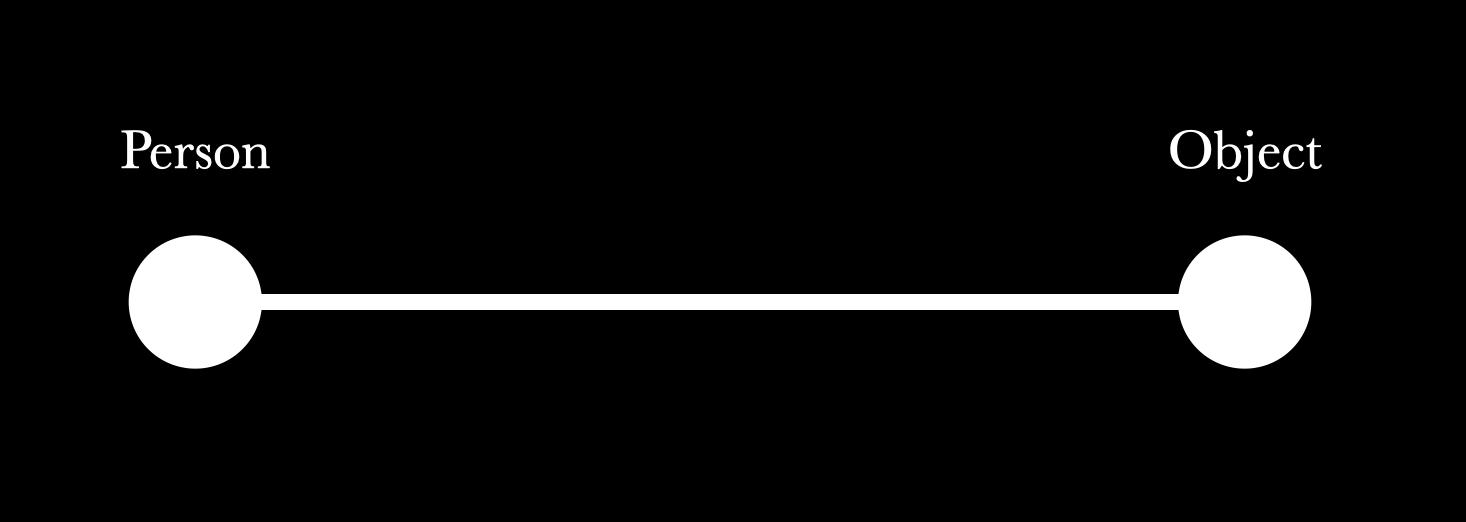
Modern philosophy, in contrast, has primarily been idealist: we have held the belief, either consciously or not, that we cannot know reality directly but only our ideas about reality. We cannot know a thing-in-itself, but only our ideas about the thing. Modern philosophy, then, has focused primarily on mind-dependent reality (or ens rationis, to use the Latin phrase).
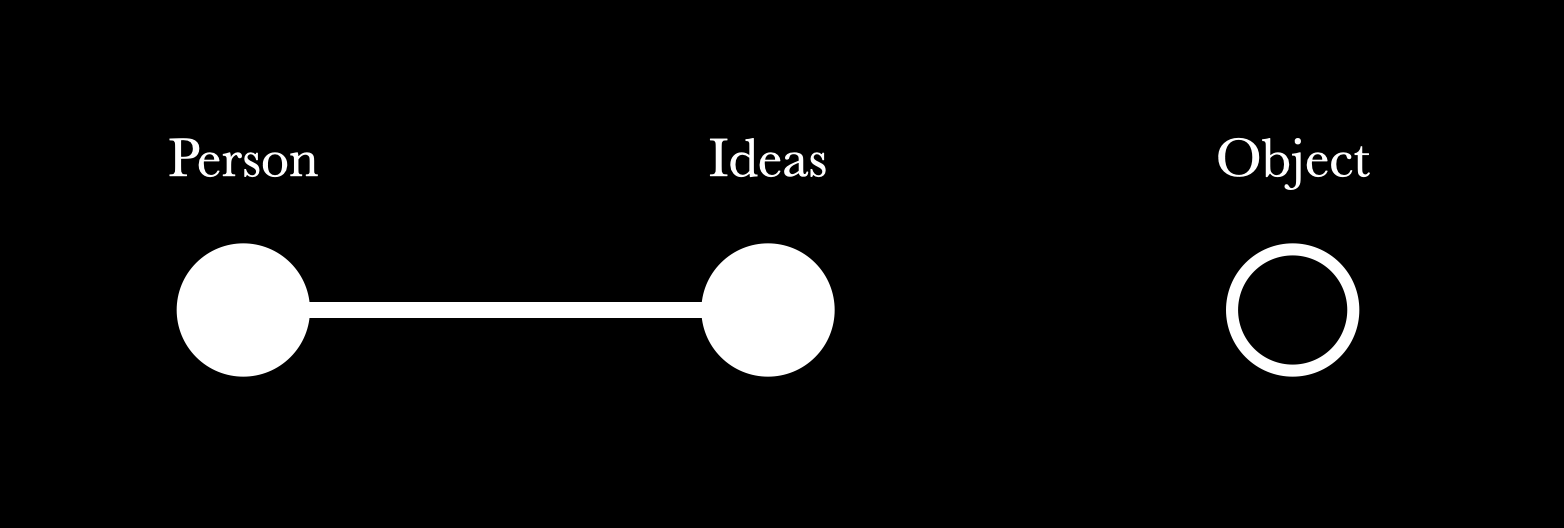
So, if we are looking for a way to reconcile pre-modern and modern philosophy, we would need to be find a way to demonstrate that we can in fact know both of these aspects of reality. This is precisely what Peirce’s semiotics, the philosophy of signs, does. The great gift of Charles Sanders Peirce’s doctrine of signs is that the sign, properly understood, is where mind-independent reality meets mind-dependent reality.
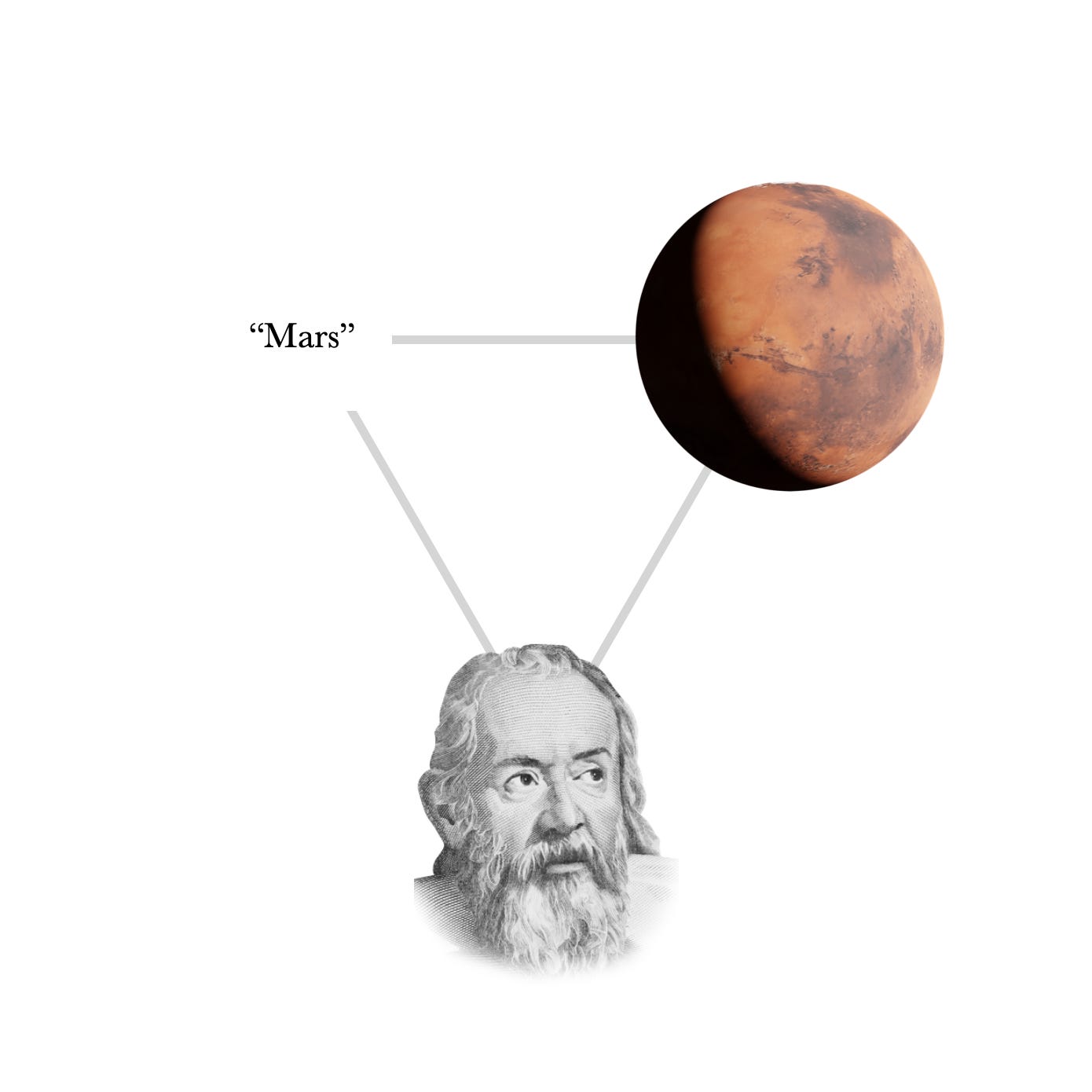
We think of a sign as something that stands for something else. For instance a stop sign means stop. Those two things are not intrinsically linked however. There is no inherent reason a red octagon with white letters should refer to anything else. For it to do so, there needs to be a third entity to link them, to mediate between them. In this case, a person is the third entity. And this relation between two entities mediated by a third is the formal definition of a sign! And as Peirce observes, all of our thought is in signs, so this is how we know everything we do! We might experience an orangish planet, for instance, which exists independently of us. But we do not know what it is until it is attached to a symbol (say, the word “Mars”). Through a sign, we can know a real thing-in-itself (mind-independent reality), but only if it is connected to a mind-dependent symbol! We can know both, simultaneously, and only simultaneously! As novelist and semiotic philosopher Walker Percy says, “in order to know anything, one must know it through something else”.
Semiotics has a very long informal history of thousands of years, beginning with Aristotle and continuing through the writings of Ss. Augustine and Thomas Aquinas. Peirce’s contribution is immense, however, in that he not only realized the nature of signs as inherently triadic (involving three entities), but he realized the sign’s importance in being able to transcend pre-modern realism and modern idealism (as through a sign we can know both mind-independent and mind-dependent reality). This therefore provides the foundation to reconcile the best of pre-modern and modern thought.
This appears incredibly important today, as we potentially stand at the dawn of a multiplanetary age of human history. Just as the Protestant Reformation and the Enlightenment originated in the “Old World” of Europe yet provided the religious and philosophical underpinning of the “New World” of the Americas, we seem to live in an era in which we have the opportunity to reflect on what religion and philosophy we will export from the Blue Planet to the Orange Orb before we go there. At least as far as philosophy goes, Peirce’s semiotic philosophy appears to be the most promising path forward. While he may have had the first word in this genuinely post-modern, post-Cartesian framework, I do not believe he had the last. The great task of our time in philosophy seems to be to develop and build upon the foundation Peirce laid.
And who knows? Perhaps in developing a philosophy best fit for Mars, we will find that it fits just as well here on Earth, too.
Onward we go!